Clay Render
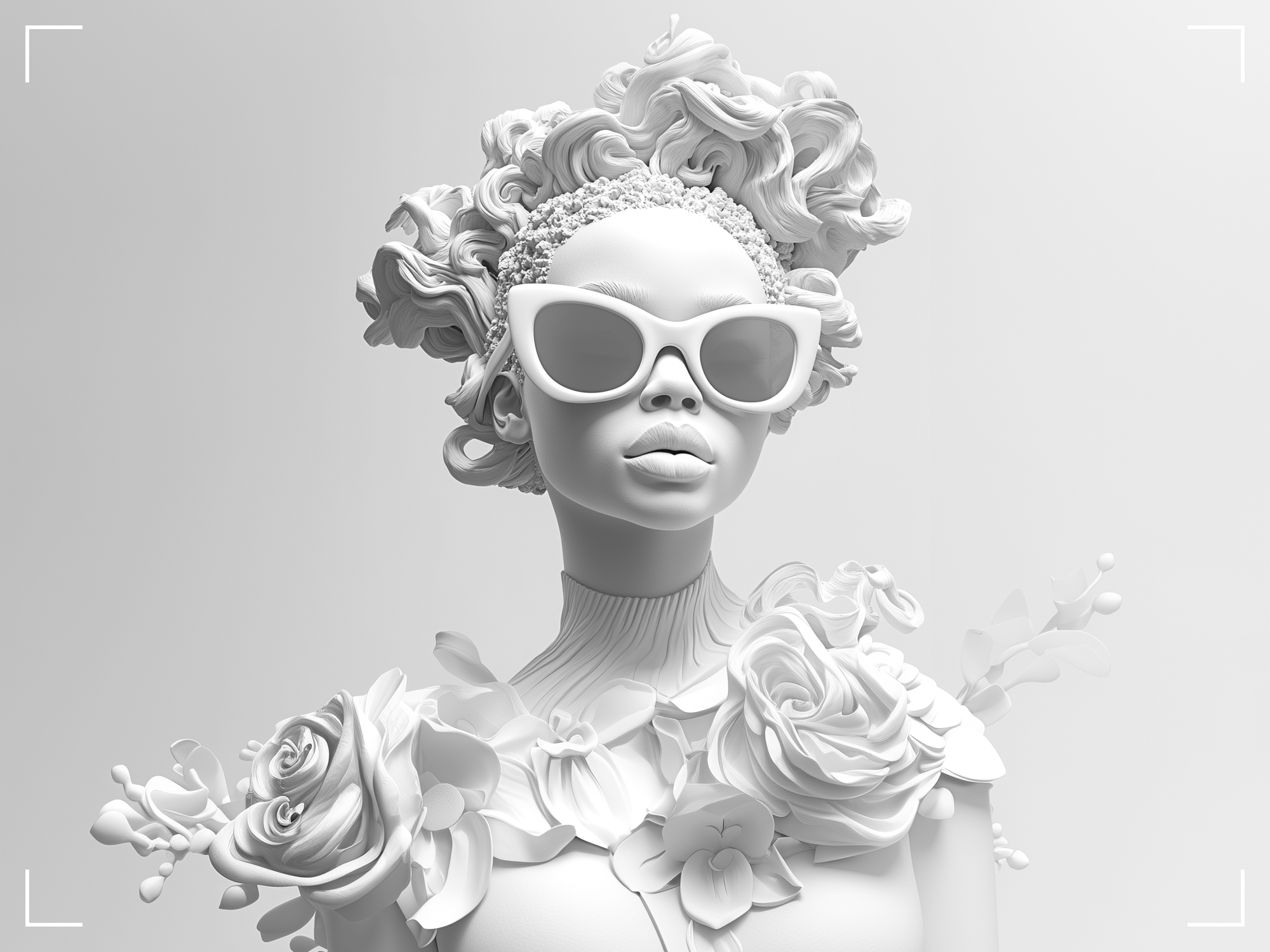
Curious about clay renders in AI-generated imagery? Adding this term to your prompts creates smooth, sculpted 3D visuals. Explore how traditional modeling principles translate into AI and experiment with terms like «Global Illumination» and «Ambient Occlusion» for more depth.

tl;dr
- with the addition of «clay render» to your prompts you can create clean looking visuals of 3D models
- The word stems from traditional call modelling, where you first have to create a well defined structure before adding glazing and colors.
- Adding the terms «Global Illumination» or «Ambient Inclusion» steers the generated images more towards realism
What is a Clay Render?
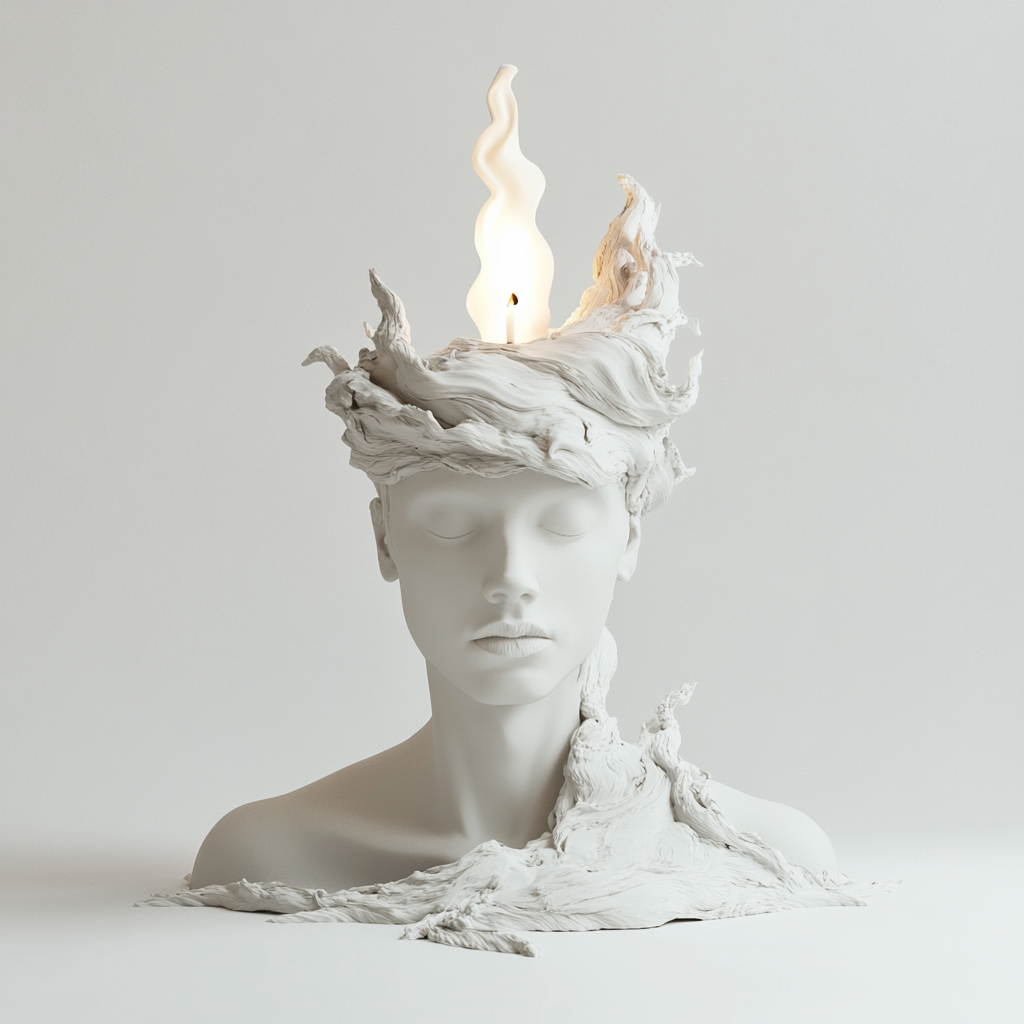
If you’ve ever worked in 3D design, you probably know about these beautifully simple, texture-free renders that make everything look like it was sculpted from raw clay. I love the aesthetic of them: Stripping a model down to its purest form – no distracting colors, no noisy textures, just shape, light, and shadow working together.
You can find this kind of rendering in architecture, product design, and CGI. It’s a fantastic way to analyze proportions, see how light interacts with a model, and create clean, professional-looking previews.
Where did the term «Clay Render» come from?
The name says it all. Before we had all these digital tools, designers and sculptors would create physical clay models to explore forms and refine details. When we moved into the digital space, rendering with a neutral matte material became the best way to mimic that look. And so, the term clay render was born.
Some people call it a white model render when it’s pure white. It’s all about showcasing the model in its most honest, stripped-down state.
The Benefits of using Clay Renders
Honestly, for me they just look pretty. I use them more as an aesthetic choice, than a step in a design process. They let you focus on the essentials – form, proportion, and lighting, without any distractions.
In 3D workflows tho, they are an essential part. It’s like taking a step back and making sure the foundation is solid before getting lost in the details.
They also help when working with clients. A fully textured render can sometimes overwhelm people, making them focus on colors or materials rather than the actual design. A clay render keeps the conversation on shape and composition. Plus, it just looks clean and professional.
Using «Clay Render» in AI Prompts
If you’re into AI-generated imagery, using the phrase «clay render» in a prompt can create some beautifully sculpted, untextured results. I’ve experimented with this in Midjourney, and it really helps dial in that smooth, matte aesthetic.
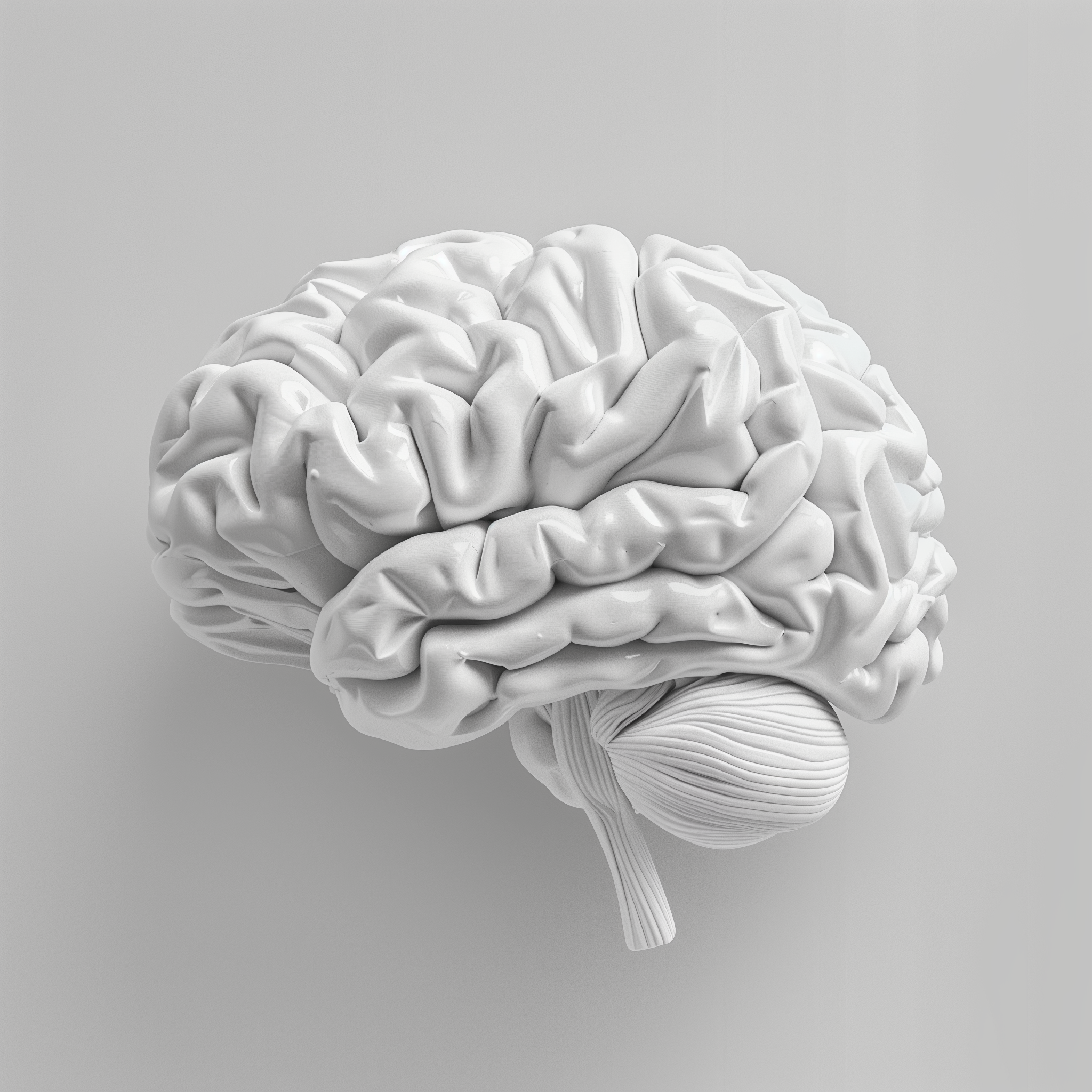



Top row: Prompted Illustration, bottom row: final emblems
Throwing in adjacent terms like «Global Illumination» or «Ambient Occlusion» can make AI-generated results look even more realistic.
I love the aesthetic of Clay Renders. They’re clean, honest, and incredibly useful when refining ideas.