Public.work
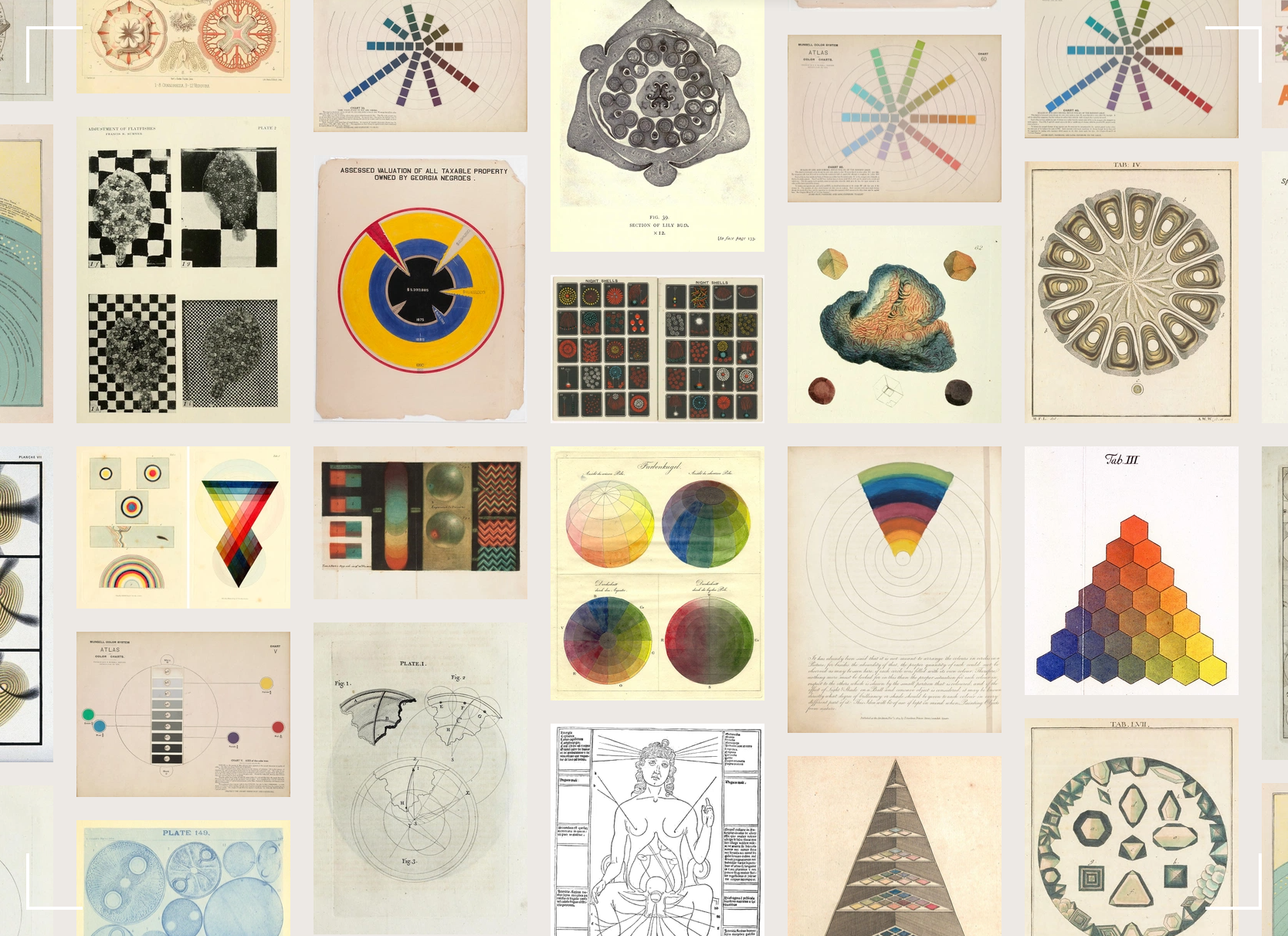
Public.Work is a massive archive of public domain illustrations, from apocalyptic diagrams to vintage botanical sketches. With infinite scrolling and no return button, it’s easy to get lost. But that’s part of the fun. A perfect resource for creatives looking for characteristic, free-to-use visuals.

tl;dr
- Public.Work offers a vast collection of public domain illustrations, ready for free use
- The site is endlessly scrollable, with no real return button, making navigation an adventure
- Perfect for sourcing vintage visuals with a scientific aesthetic
What is Public.Work?
Public.Work is a treasure trove for illustrations, offering a vast collection of public domain works ready for download and use. The site features various categories to explore, such as psychedelic diagrams or mythical creatures, making it easy to find inspiration. Or you can search your own terms.
At first, I found the navigation a bit tricky. The site is endlessly scrollable in every direction, which feels exciting but also a little disorienting. Clicking on an image opens up a whole new set of works with a similar aesthetic – a fun way to stumble upon hidden gems. But there’s no real ‘go back’ button, so if you lose track of where you started, well… good luck finding your way back.
Each piece is accompanied by short information, including its creator, title and original URL. Unfortunately there is no way (yet) to copy that information, which is a bit tedious if you want to cite the work properly.
Who is it for?
Due to the site providing public domain work, it has a very turn-of-the-century feeling to it. My favorite things to explore are pseudo-scientific and apocalyptic imagery – the kind of stuff that looks like it belongs in an old alchemist’s notebook or a forgotten prophecy. There’s something eerie and fascinating about those intricate line drawings and over-the-top dramatic compositions.
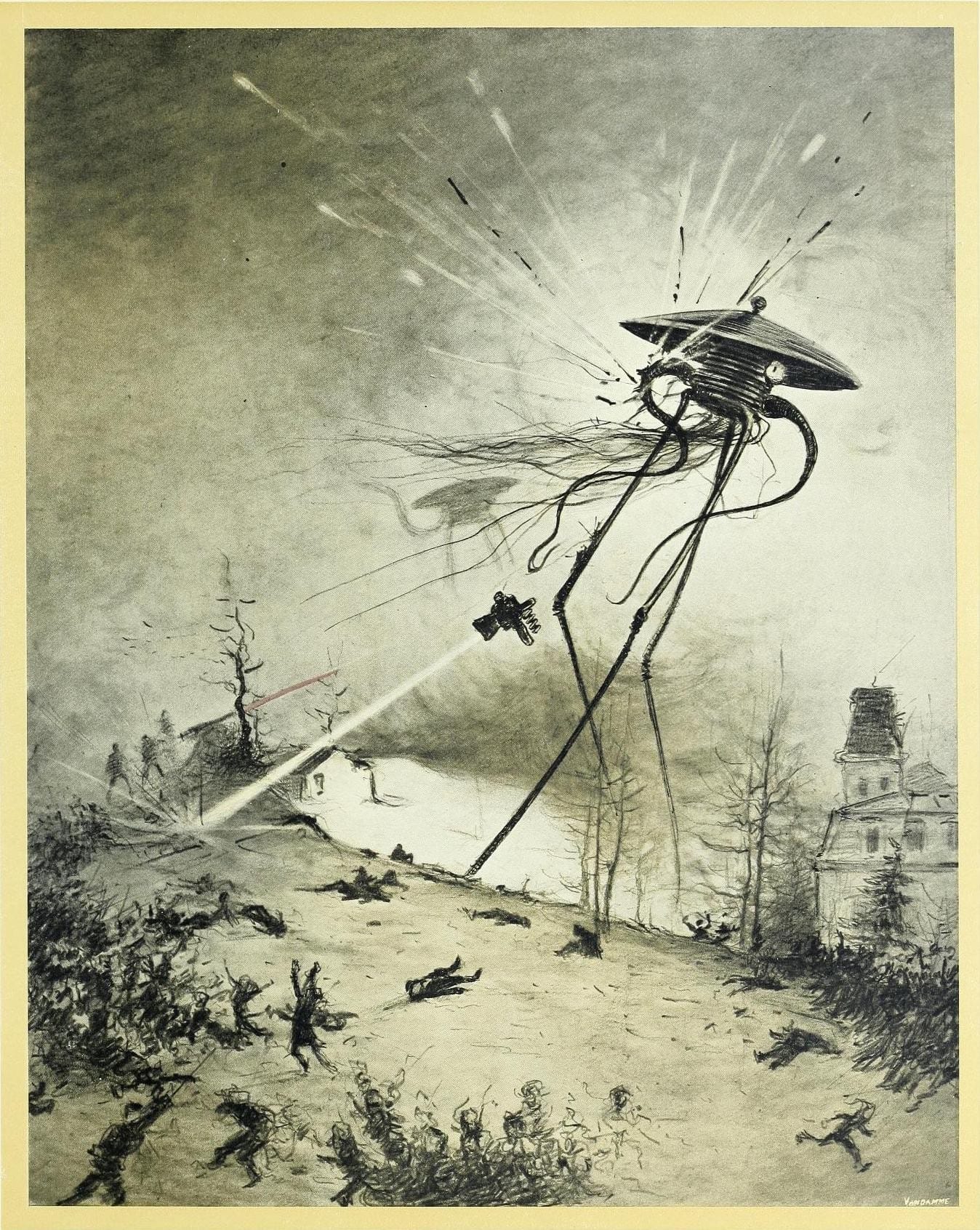
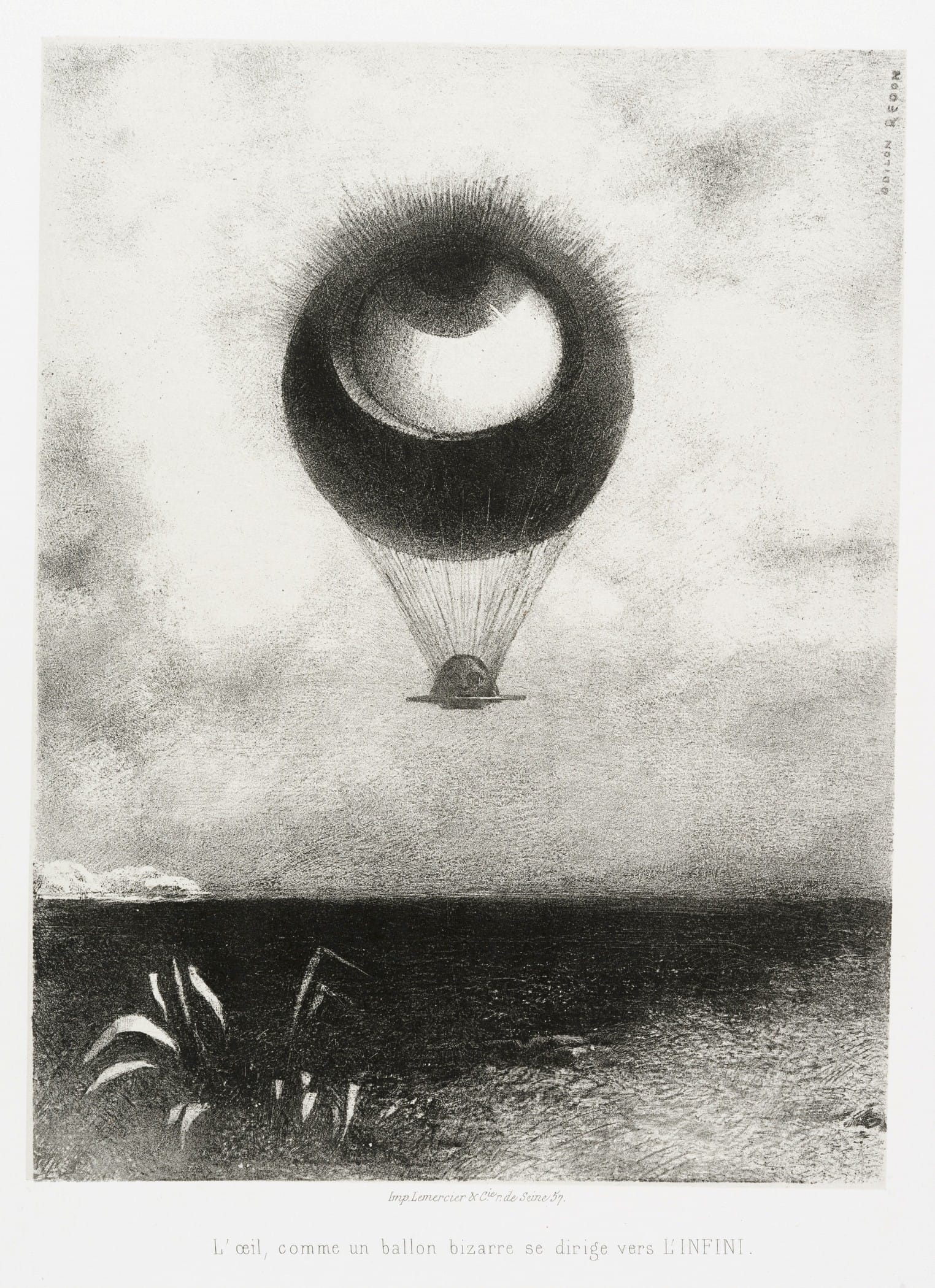
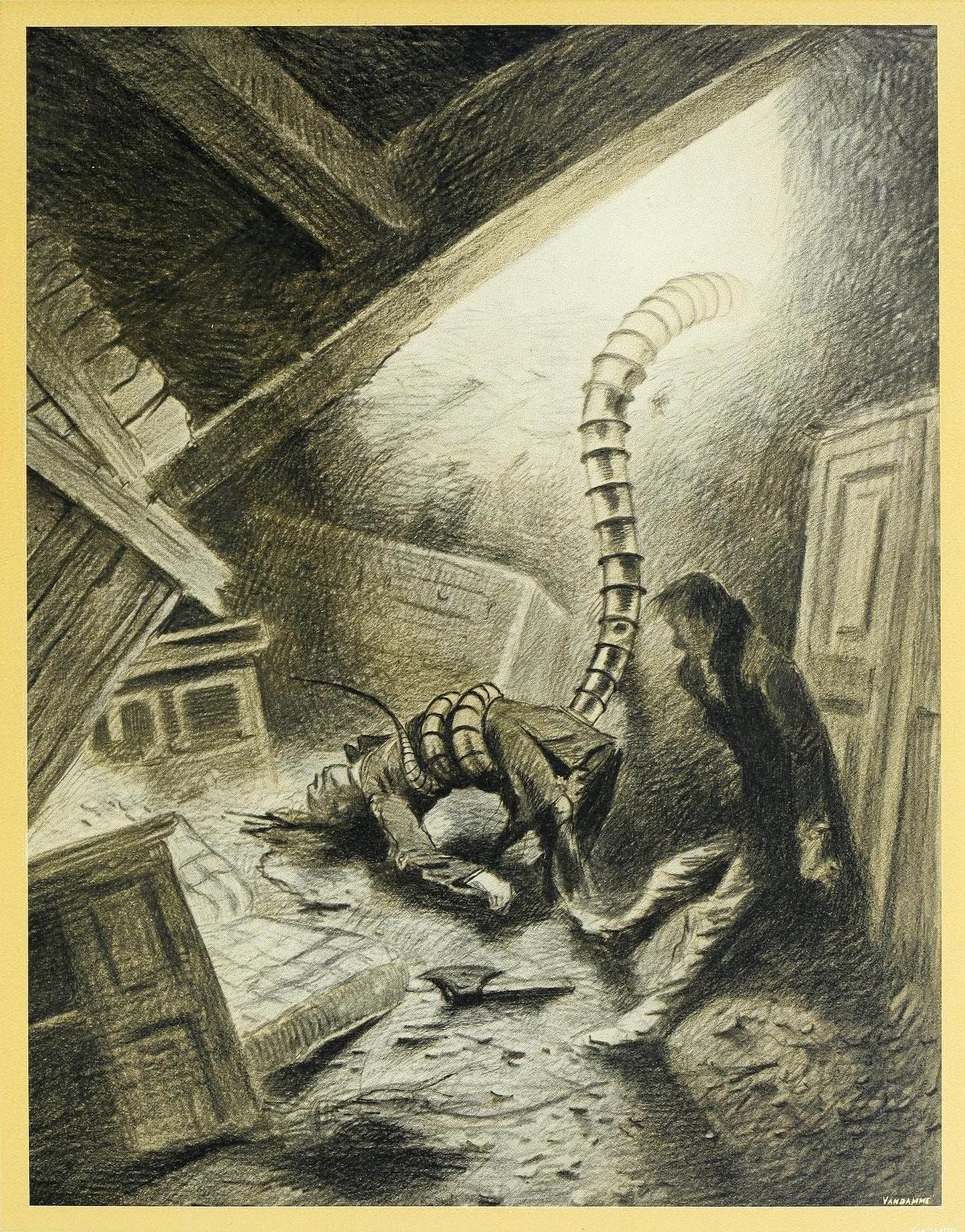
Left: Henrique Alvim Corrêa - War of the Worlds Illustration | Middle: Odilon Redon – The eye, like a strange balloon, mounts toward Infinity | Right: Joseph Plateau and Simon von Stampfer – Phenakistoscopes (1833)
Or you can go the botanical route and dive into your Explorer-Era, with loads of fun plants and animals to discover. It’s like flipping through the sketchbooks of 19th-century naturalists – perfect if you’re into vintage scientific aesthetics.
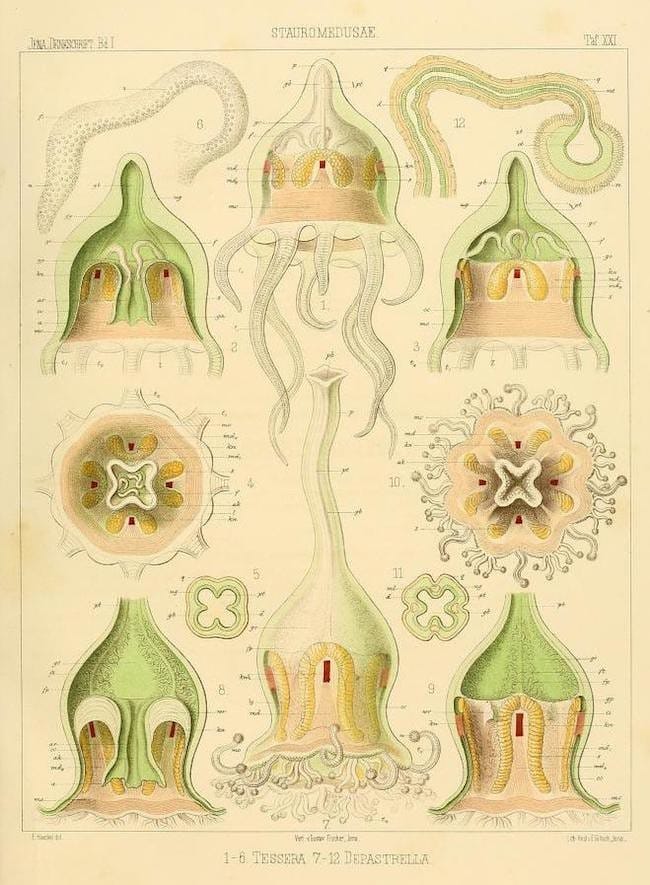
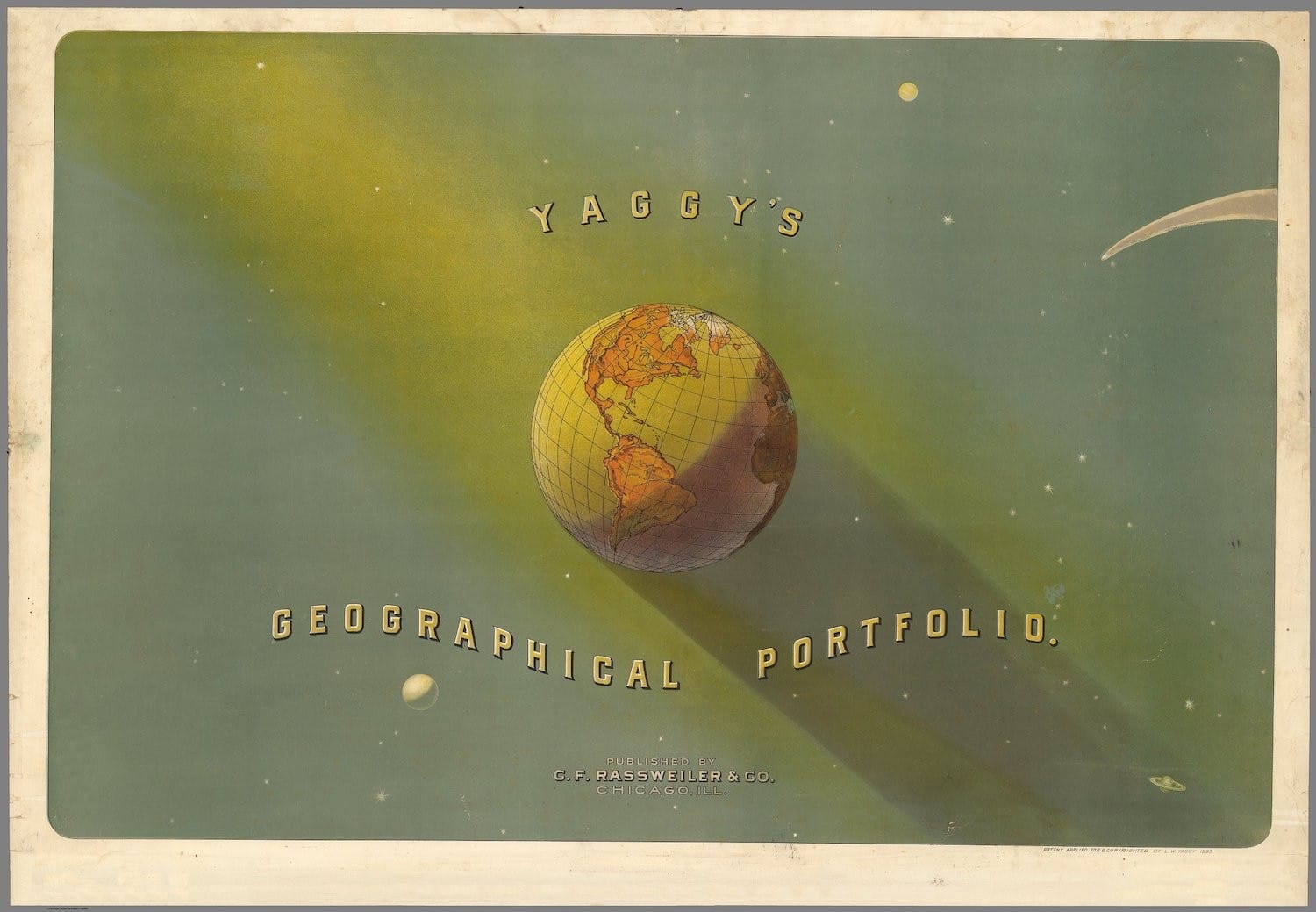
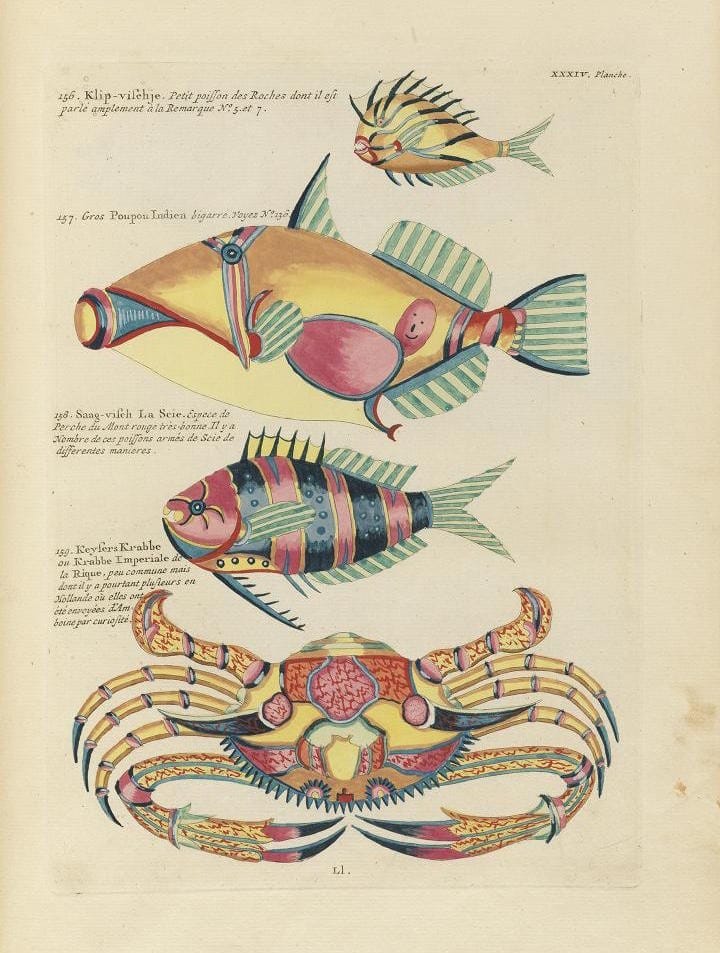
Left: Ernst Haeckel – Jellyfish Medusae | Middle: Levi Walter Yaggy – Title Page of Yaggy’s Geographical Portfolio, 1893 | Right: Lous Renard – Images from the First Colour Publication on Fish (1754)
For a more hands-on approach, I recommend looking up typography, magazines, or old advertisements. These are great if you’re working on a retro-inspired project or need unique reference material.
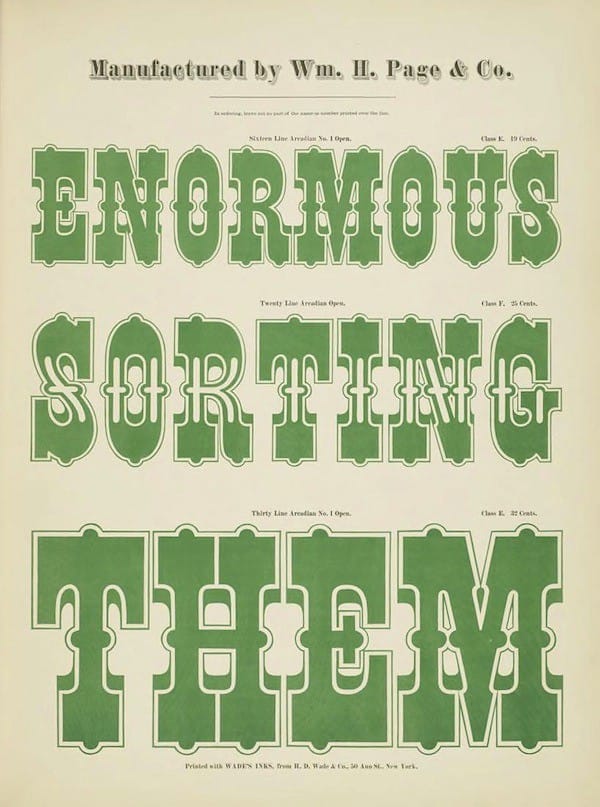
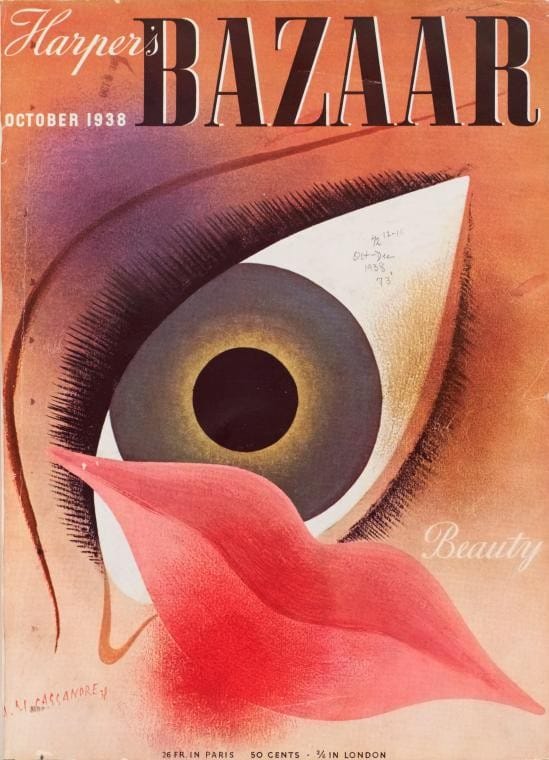
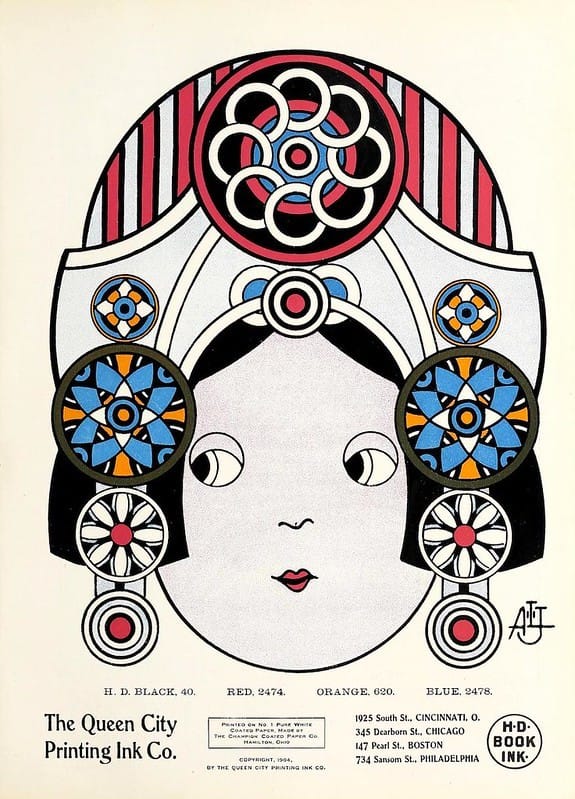
Left: William H. Page – Specimens of a Chromatic Wood Type and Borders (1874) | Middle: Harper’s Bazaar Ocotber 1938 | Right: Augustus Jansson – Augustus Jansson’s Queen City Ink Adverts (1903-1907)
What can you do with it?
Since everything on Public.Work is public domain, you can pretty much use the images however you like. No licensing headaches, no attribution requirements.
So far, I’ve used it in several short-form videos to visualize scientific concepts. It works especially well when you want to capture the flair of science without needing strict accuracy. Those vintage diagrams and surreal illustrations instantly add depth and character, making even abstract ideas feel tactile and intriguing.